
Why European Cities Lead on Accessibility
Europe's combination of strong disability rights legislation, investment in universal design, and accessible public transport has made it home to some of the world's most wheelchair-friendly destinations. But the quality of accessibility varies enormously — from the completely flat, lift-equipped metro systems of Amsterdam to the cobblestone chaos of certain old-town areas that still defeat even experienced travellers.
For this ranking, we evaluated 22 European cities across six dimensions: public transport accessibility, pavement conditions, hotel stock, attraction access, restaurant & dining access, and accessible tourism infrastructure. Every city was assessed using our structured evaluation methodology with field visits and community reviews from XplorAble members.
"Accessibility is not a tourism niche. It is the difference between a city that welcomes everyone and one that quietly excludes a quarter of its potential visitors."
2025 Rankings at a Glance
Our full rankings cover 22 cities. Here are the top 6, with accessibility scores out of 10:
The Top 3 Cities in Detail
Here are our top three picks — each evaluated in depth with field visits from XplorAble team members and community reviewers.

Barcelona, Spain
94% metro lift coverage, beach boardwalks, and strong hotel accessibility make Barcelona Europe's most consistently wheelchair-friendly major city.

Amsterdam, Netherlands
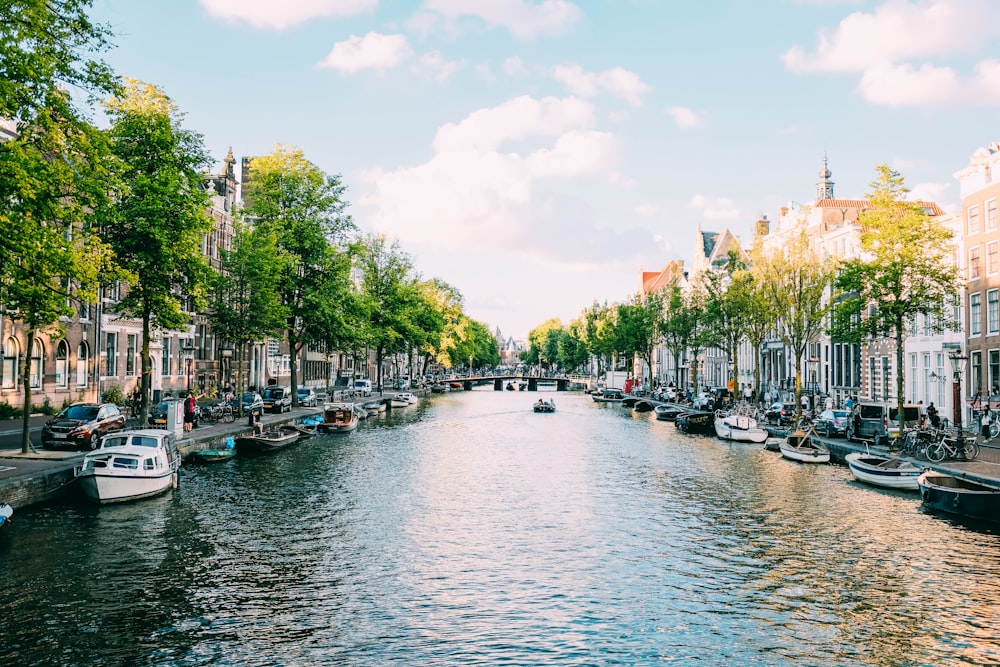
The world's flattest city is also one of its most accessible. Low-floor trams, step-free museums, and canals lined with ramped access points.

Vienna, Austria
Vienna's U-Bahn is fully accessible, all major cultural institutions have lifts, and accessible hotel stock is excellent across all price ranges.
Public Transport: The Make-or-Break Factor
In every city we evaluated, public transport accessibility was the single strongest predictor of overall wheelchair-friendliness. A city with fully accessible metros and trams frees wheelchair users from relying on taxis — dramatically expanding how independently they can explore.
- Amsterdam — low-floor trams throughout; all Metro stations fully accessible
- Vienna — U-Bahn 100% lift-equipped; accessible bus network city-wide
- Barcelona — 94% of metro stations lift-equipped; accessible bus fleet
- Berlin — U-Bahn improving rapidly; S-Bahn largely accessible
Practical tip: Always check the specific station you need before travelling. Even in the most accessible cities, individual stations may be temporarily out of service due to lift maintenance. Most networks publish real-time lift status online.
Hotel Accessibility in European Cities
Hotel accessibility varies enormously even within the same city. In Amsterdam, the majority of modern hotels are purpose-accessible — but the city's many converted canal houses are often completely inaccessible, with steep staircases and no lift. In Barcelona, the newer hotel stock near the seafront is generally excellent, while some boutique hotels in the Gothic Quarter present significant challenges.
Our recommendation: always search XplorAble's hotel listings first, filter by accessibility rating, and contact the hotel directly to confirm your specific requirements — particularly the availability of roll-in shower, door widths, and turning space in the room.